

Trivia Quiz on Astronomy Part 7
Updated: Tuesday, November 25, 2025
A ready-made science and general-knowledge quiz that you can use in virtual and in-person events (Zoom, Teams, YouTube Live, Twitch, conferences, meetings, classrooms, etc.)
Loading…
Here's quick guide on how to get started with QuizWithStreamAlive:
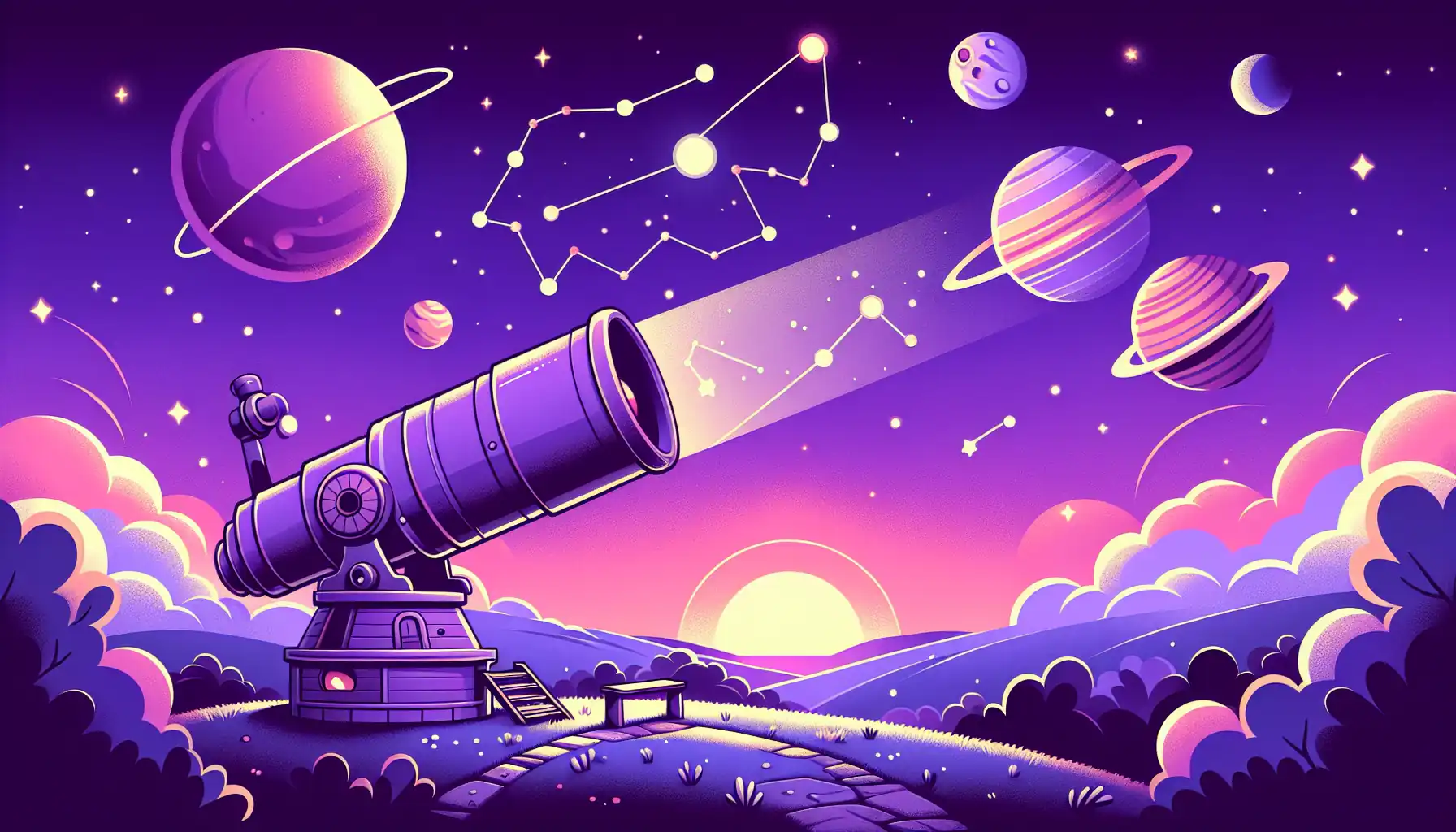
Chart the cosmos with 17 bite-sized questions on constellations, planets, telescopes, and space facts. Perfect for stargazers of all levels, from casual skywatchers to trivia pros.
Gather your crew and launch into a fast-paced, group-friendly astronomy challenge featuring constellations, planets, space history, and more. Designed for teams and live audiences, it’s a great fit for classrooms, science clubs, office team-building, family game nights, or stream intermissions—and it plays smoothly on Zoom, Microsoft Teams, Google Meet, YouTube Live, Twitch, or Kick. Mix beginners with enthusiasts, use breakout rooms for teamwork, and keep the energy high with quick multiple-choice rounds and occasional leaderboard moments. Expect a 10–20 minute cosmic sprint that’s easy to host, engaging to watch, and fun to replay.
1. What is the meaning of the name of the constellation Equuleus ?
A) Colt
B) Filly
C) Foal
D) Pony
--
2. What is the meaning of the name of the constellation Ursa Minor ?
A) Little Wolf
B) Tiny Dragon
C) Little Bear
D) North Star
--
3. What Is The Most Common Element In The Universe
A) Oxygen
B) Helium
C) Carbon
D) Hydrogen
--
4. What is the sixth planet from our sun?
A) Saturn
B) Jupiter
C) Uranus
D) Neptune
--
5. A heavenly body moving under the attraction of the Sun and consisting of a nucleus and a tail is a(n) _____.
A) Comet
B) Asteroid
C) Meteoroid
D) Planet
--
6. If you're in the northern hemisphere, Polaris, the North Star, can be found by looking which direction?
A) North
B) East
C) South
D) West
--
7. What is the heaviest element that can be formed by regular fusion reactions in the core of a star?
A) Hydrogen
B) Iron
C) Nickel
D) Oxygen
--
8. Who discovered Uranus?
A) William Herschel
B) Albert Einstein
C) Friedrich Wilhelm Herschel
D) Edwin Hubble
--
9. What planet boasts the Great Red Spot?
A) Saturn
B) Jupiter
C) Mars
D) Neptune
--
10. Our galaxy is commonly known called _________.
A) Andromeda Galaxy
B) Whirlpool Galaxy
C) Sombrero Galaxy
D) Milky way
--
11. What are these: Ceres, Juno, Iris, and Flora?
A) planets
B) dwarf planets
C) comets
D) Asteroids
--
12. Name the largest planet in the solar system.
A) Saturn
B) Earth
C) Jupiter
D) Neptune
--
13. This planet's diameter is most equal to that of the earth's.
A) Mercury
B) Mars
C) Venus
D) Neptune
--
14. Which famous mathematician and astronomer was born on Christmas day in 1642
A) Galileo Galilei
B) Johannes Kepler
C) Sir Isaac Newton
D) Blaise Pascal
--
15. What is the name of the telescope that was placed in orbit in the eighties?
A) Hubble
B) Hipparcos
C) IRAS
D) Solar Maximum Mission
--
16. Where would you find the Sea of Tranquility
A) On Earth
B) On Mars
C) On The Moon
D) In space near Jupiter
--
17. An adjective meaning 'pertaining to the sun.'
A) Solar
B) Lunar
C) Sunny
D) Stellar
--